A scientific definition of stress recently stopped me in my tracks. Physics describes it as the force that produces strain on a physical body and ultimately makes it snap. What startled me, was the sentence: Objects subject to stress tend to become distorted or deformed.
It made me realise that this is what happens to us if we choose not to manage our daily stress – we get distorted or deformed.
In our third and last look at 10 stress relievers, we visit easy-to-apply methods that could reduce anxiety.
Stress reliever 6: Journal
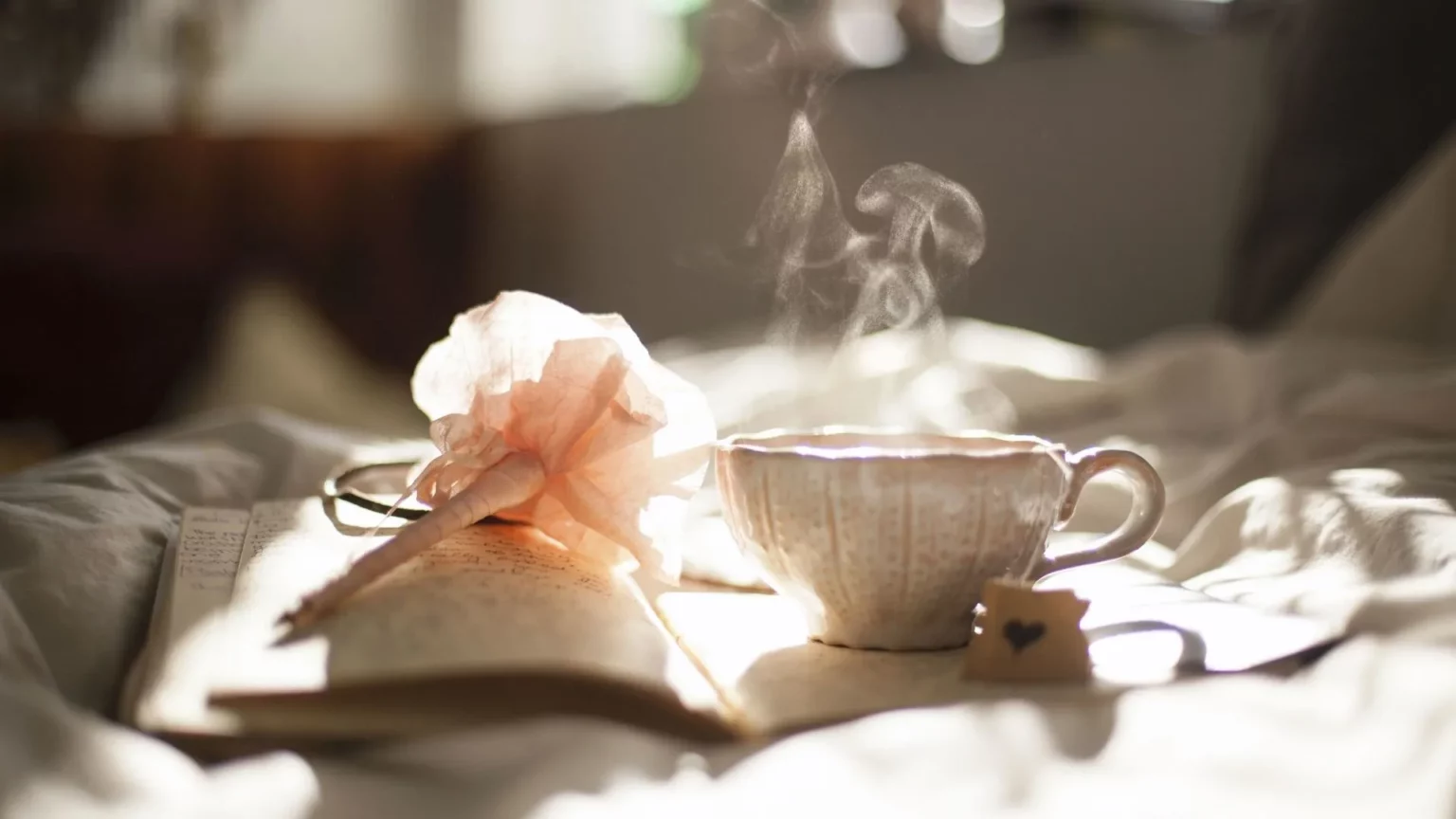
One way to handle stress is to write things down. While recording what you’re stressed about is one approach. Another is jotting down what you are grateful for. A Gratitude Journal could help relieve stress and anxiety by focusing your thoughts on the positive events in your life.
Stress reliever 7: Spending time with friends, family & pets
Spending time with friends, family and pets can help people get through stressful times. Studies have found that people with few social connections, were prone to depression and anxiety. Interacting with friends, children and pets, helps release oxytocin, a natural stress reliever. This effect is called “tend and befriend,” and is the opposite of the fight-or-flight response.
And make sure you laugh enough. You cannot feel anxious when you are laughing. In the long term, laughter help improve your immune system and mood. Find the humor in everyday life, or watch a comedy show to help relieve stress.
Stress reliever 8: Listen to Soothing Music
Listening to slow-paced music you like, can have a very relaxing effect on the body. It can help lower blood pressure and heart rate as well as stress hormones.
Stress reliever 9: Reduce Your Caffeine Intake
Although many studies show that coffee can be healthy in moderation, high quantities of caffeine, found in coffee, tea, chocolate and energy drinks, can increase stress and anxiety, depending on your own caffeine threshold.
Stress reliever 10: Practice Mindfulness
A recent study amongst college students suggested that mindfulness, which anchors you to the present moment, can increase self-esteem, lessening symptoms of anxiety, depression and negative thinking. Make mindfulness a way of life – starting your day with an early meditation or a wallk in nature, taking stock of your thoughts and becoming quiet.
The Bottom Line
Although stress arises in your workplace and personal life, there are ways to reduce the pressure you feel. You can improve your overall work-life balance if you take a hard look at your environment, your physical and mental responses to the challenges life throws at you – and if you choose not to be distorted or deformed by stress.